What the schedule looks like
During the survey everything is measured in one go. You get one quote with the order of work and the drying time in it, so you know when you can move in, furnish or let.
- Survey and quote with the price on paper
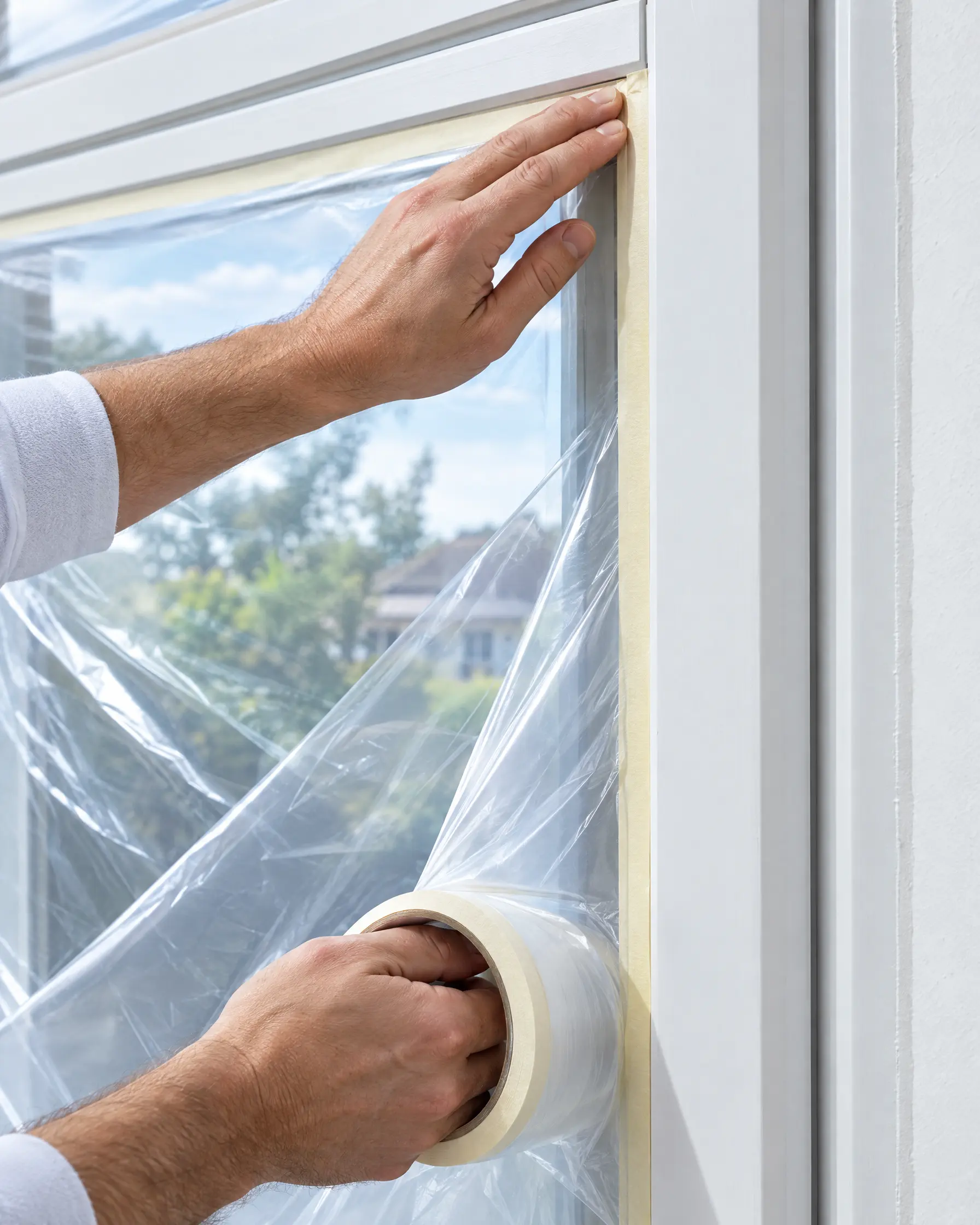
- Covering up and preparation
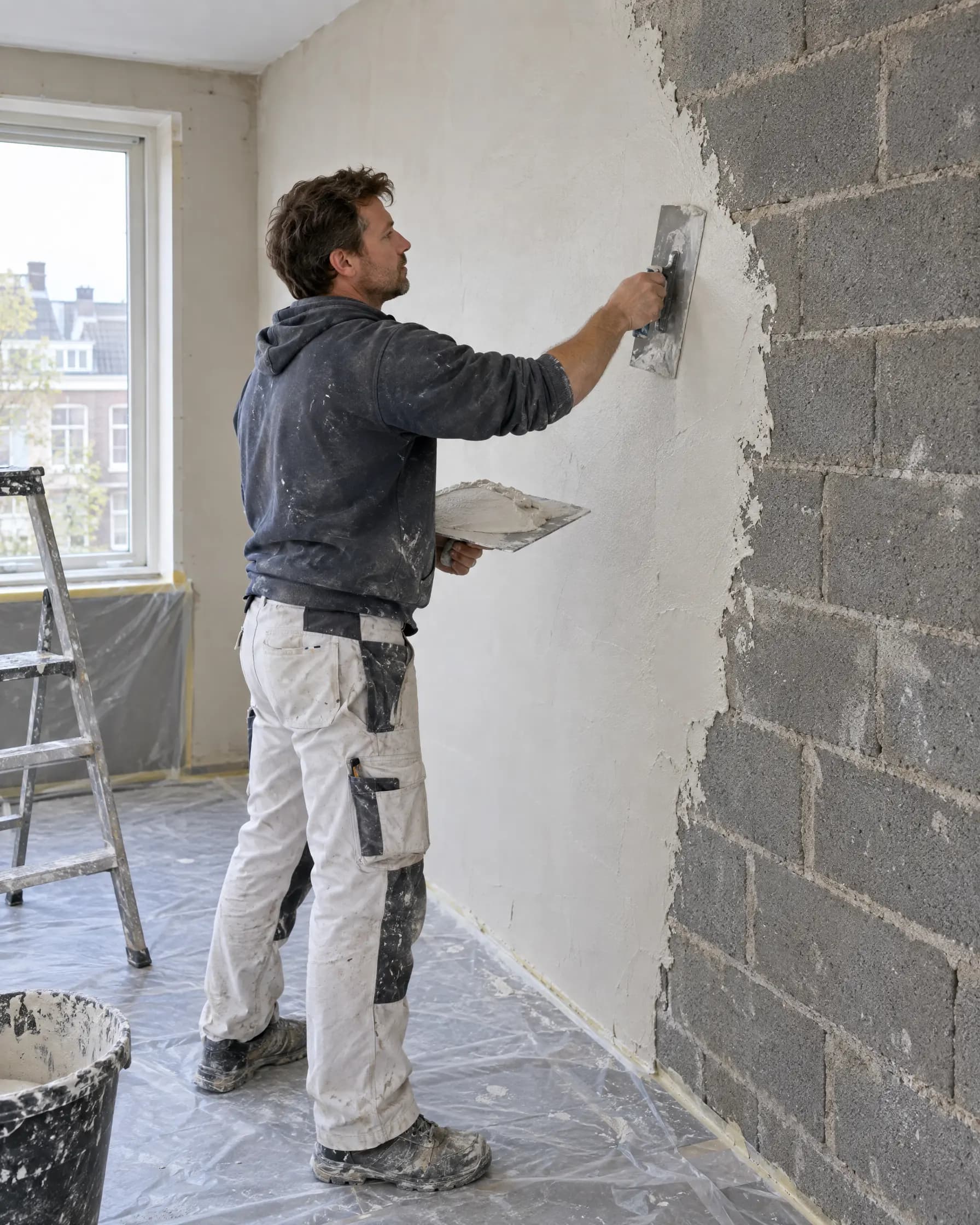
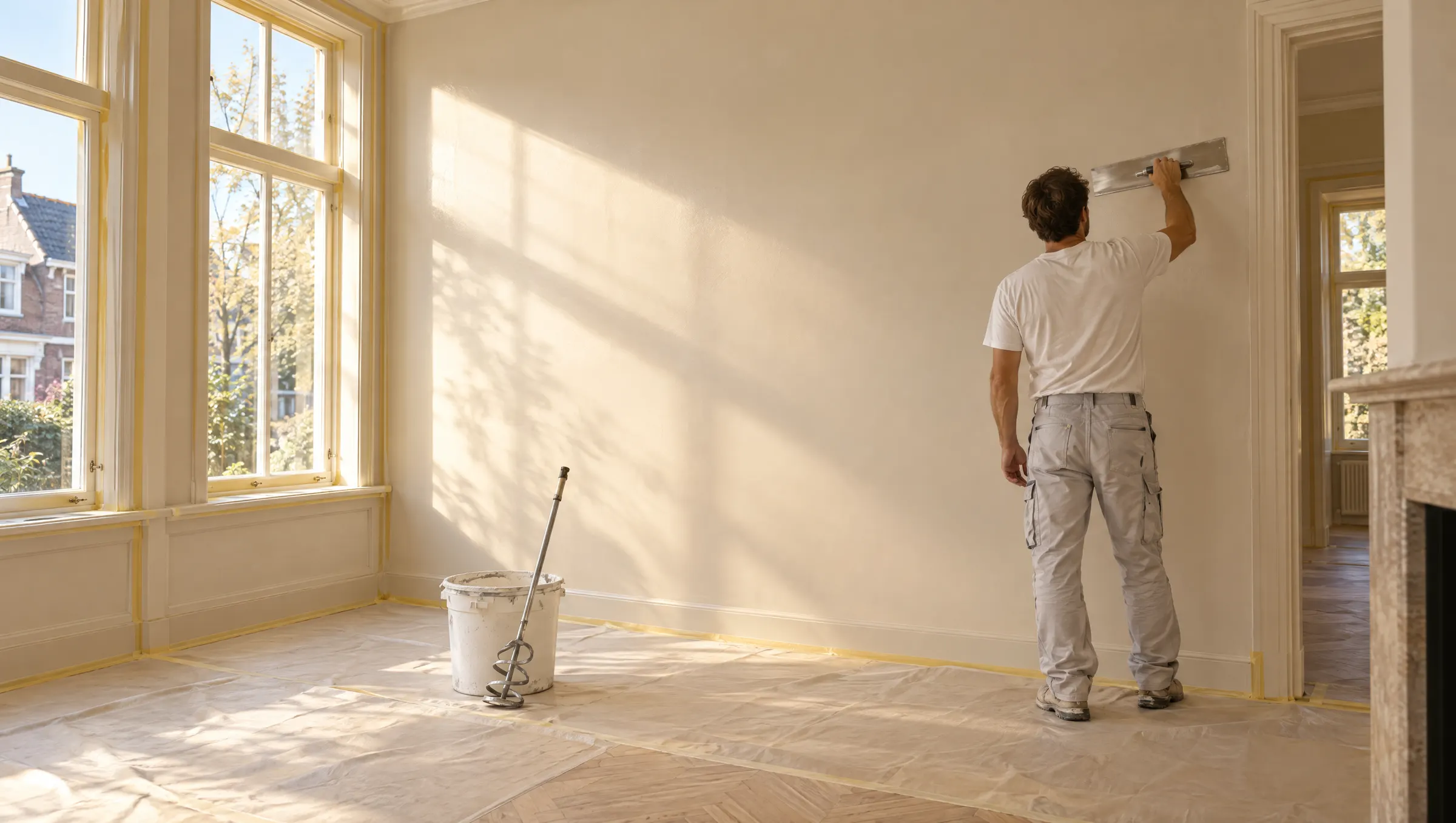
- Plastering: walls and ceilings
- Drying time, measured, not guessed
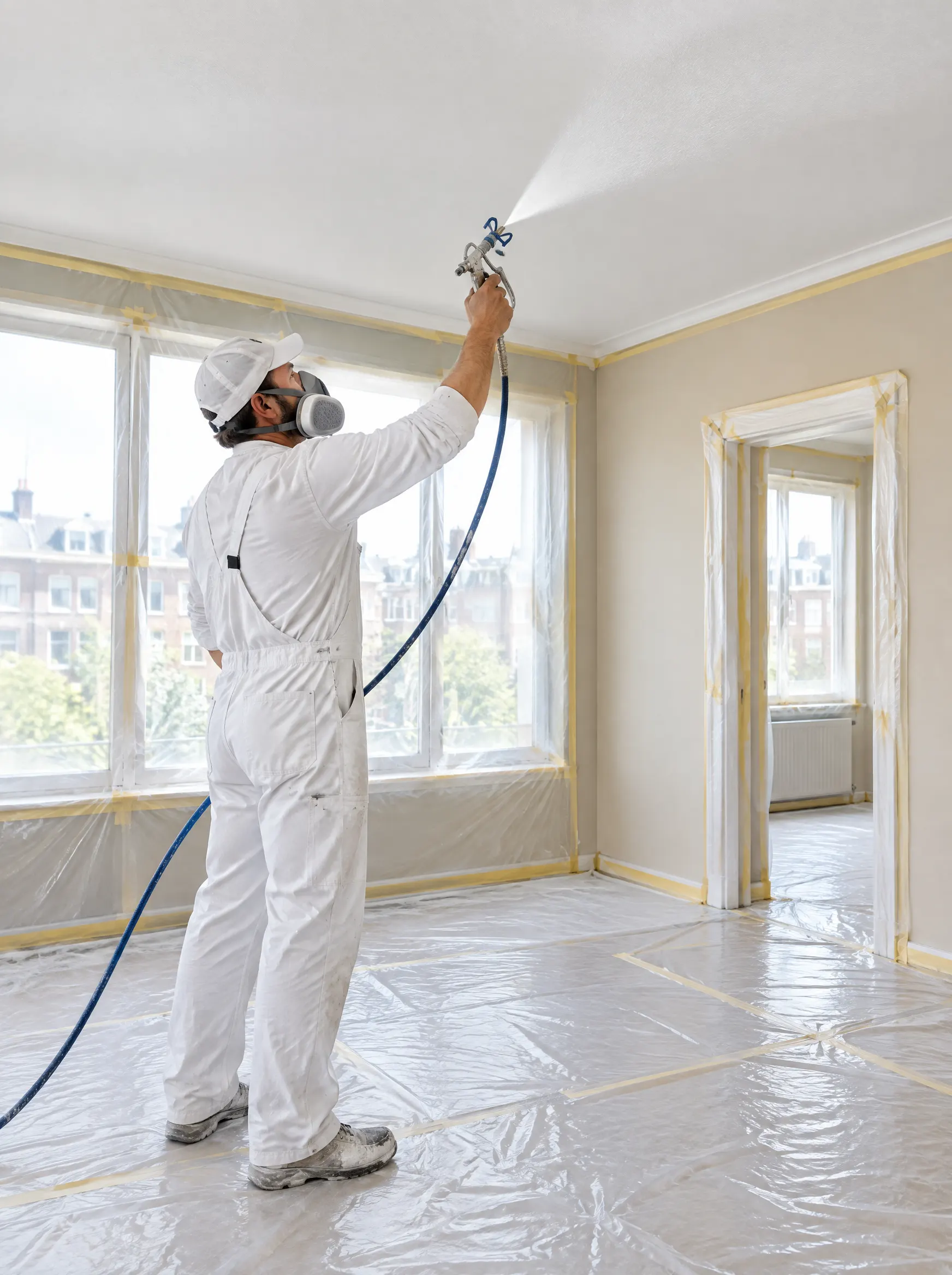
- Spray painting or rolled paint, varnishing frames
- Cleaning up and handover together
Example: a living room from bare to sprayed
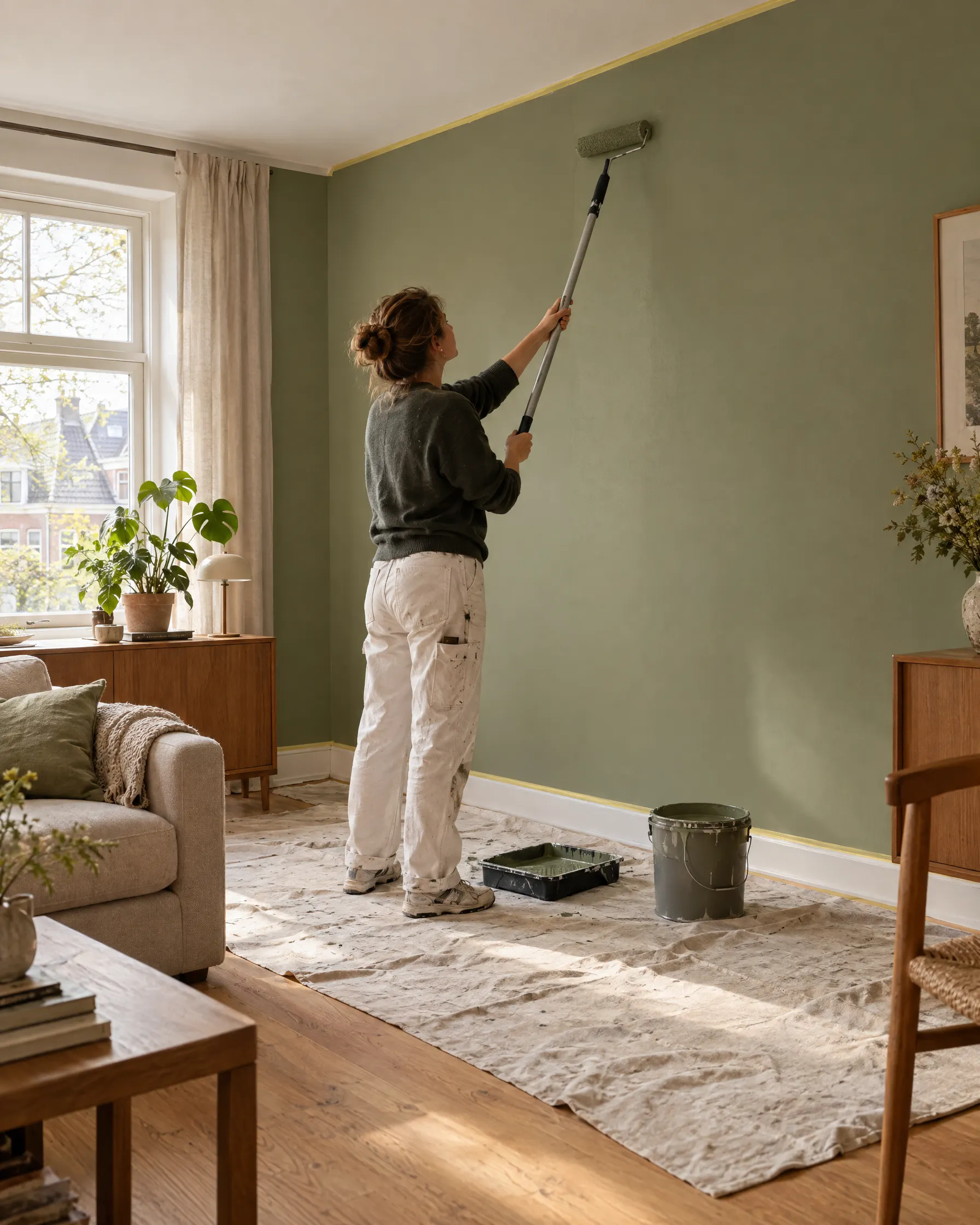
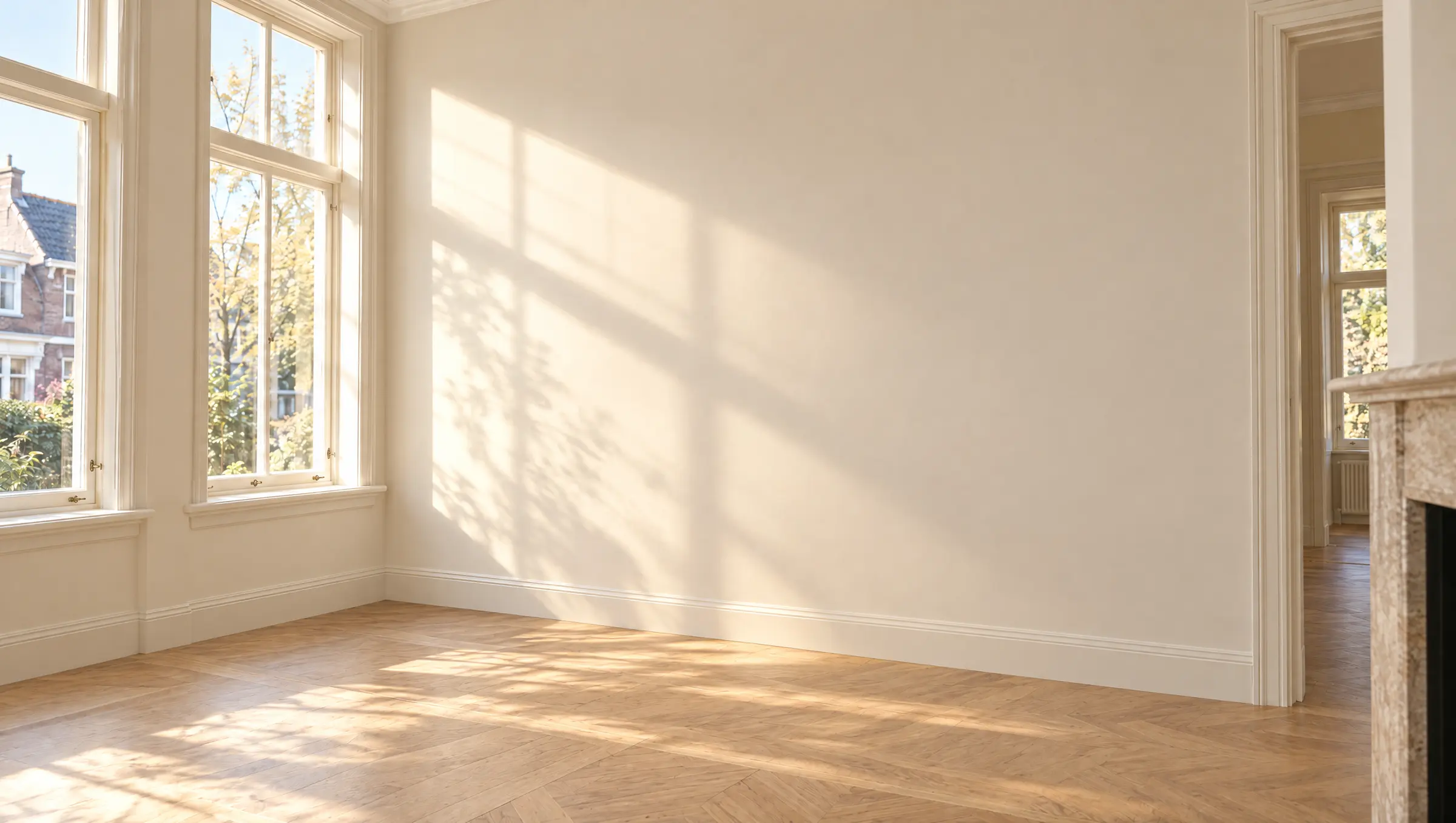
First everything is covered and the walls and ceiling are plastered. Then the plaster dries; as a rule of thumb that is about one millimetre of thickness per day, with good ventilation. Once the moisture level is right, the walls are primed and get two coats of latex, sprayed or rolled. Then the room is cleaned up and you walk through it together.
New build or renovation: the difference in planning
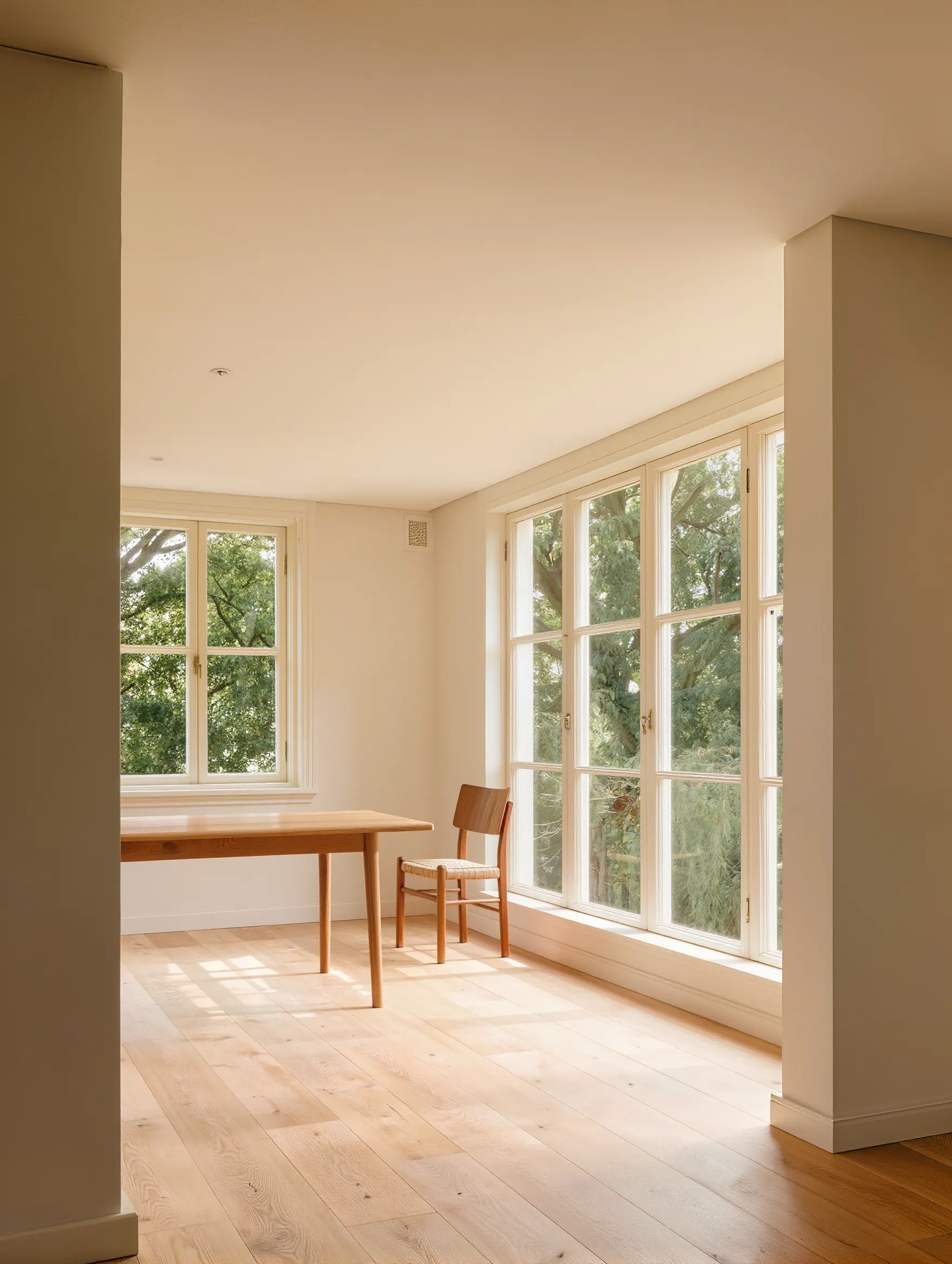
In a new build the walls are often already flat and many rooms are empty. Then plastering can go quickly, in thin coats, with little repair work. Spraying can be done through the whole home in one go, once everything is dry. Watch the VAT with new builds: if the home is less than 2 years old, 21% VAT applies instead of 9%.
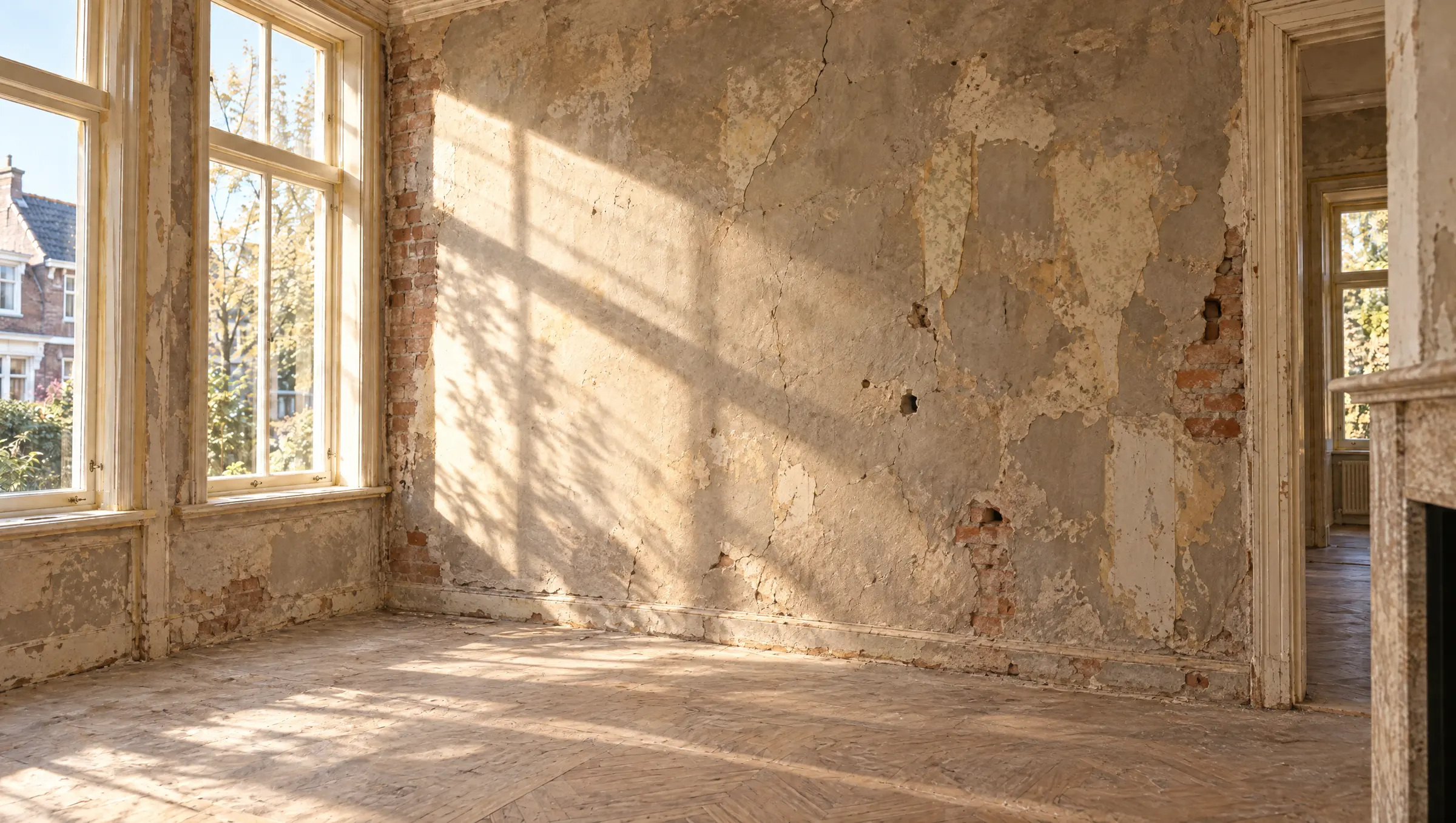
With renovation, the time goes into the surface: old layers off, cracks filled, uneven walls made flat first. That makes the plaster thicker and the drying longer. That drying time goes in the schedule, so the painting doesn't start too early.
Why one company often works out cheaper
Covering up and cleaning happen only once, and there is no waiting time between two companies with their own schedules. More importantly: if an irregularity shows up after spraying, there is no argument about who has to fix it.
Who is this useful for?
For new-build buyers who want to know before getting the keys when the home will be ready, for renovators who want one schedule for everything, and for landlords and estate agents who need a home ready quickly and neatly.