
Skip to content

Based near Amsterdam

Spetterloosplasterers & painters

Painter and decorator who leaves no paint where it doesn't belong

Expect painting walls and ceilings to cost €14 to €19 per m², including 9% VAT (btw), 2 coats and priming. On a Dutch quote you will see this called sauswerk: walls and ceilings painted with a roller and brush. Inside and out: walls and ceilings, frames, doors, stairs and woodwork, and maintenance of exterior frames. A good painter tapes off neatly and leaves no paint on glass, floor or skirting boards, which matters in a home you rent or have just bought. You can write to us in English.

  • Price on paper up front
  • Covering and cleaning up included
  • A reply within 24 hours

Updated on · Edited by: Samir El Ouariachi, painter and plasterer

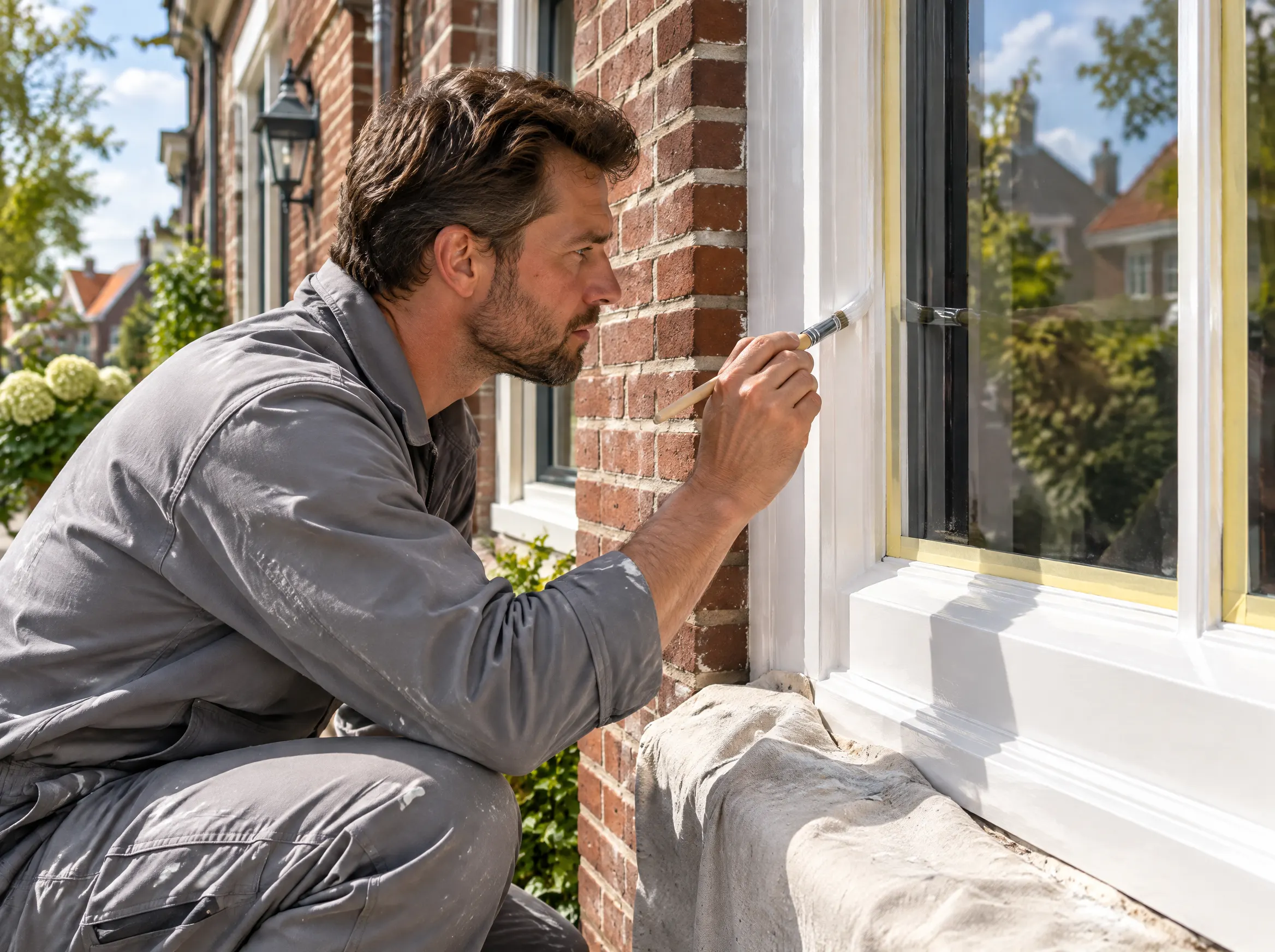
Painter varnishing a white wooden window frame on a brick house, glass neatly taped off and windowsill covered

Painting walls and ceilings with a roller

Rolled emulsion paint (sauswerk) means painting walls and ceilings with wall paint or latex, using a roller and brush. It is the obvious choice for a lived-in room, a single wall or a colour. New plaster first gets a primer coat, usually followed by two coats.
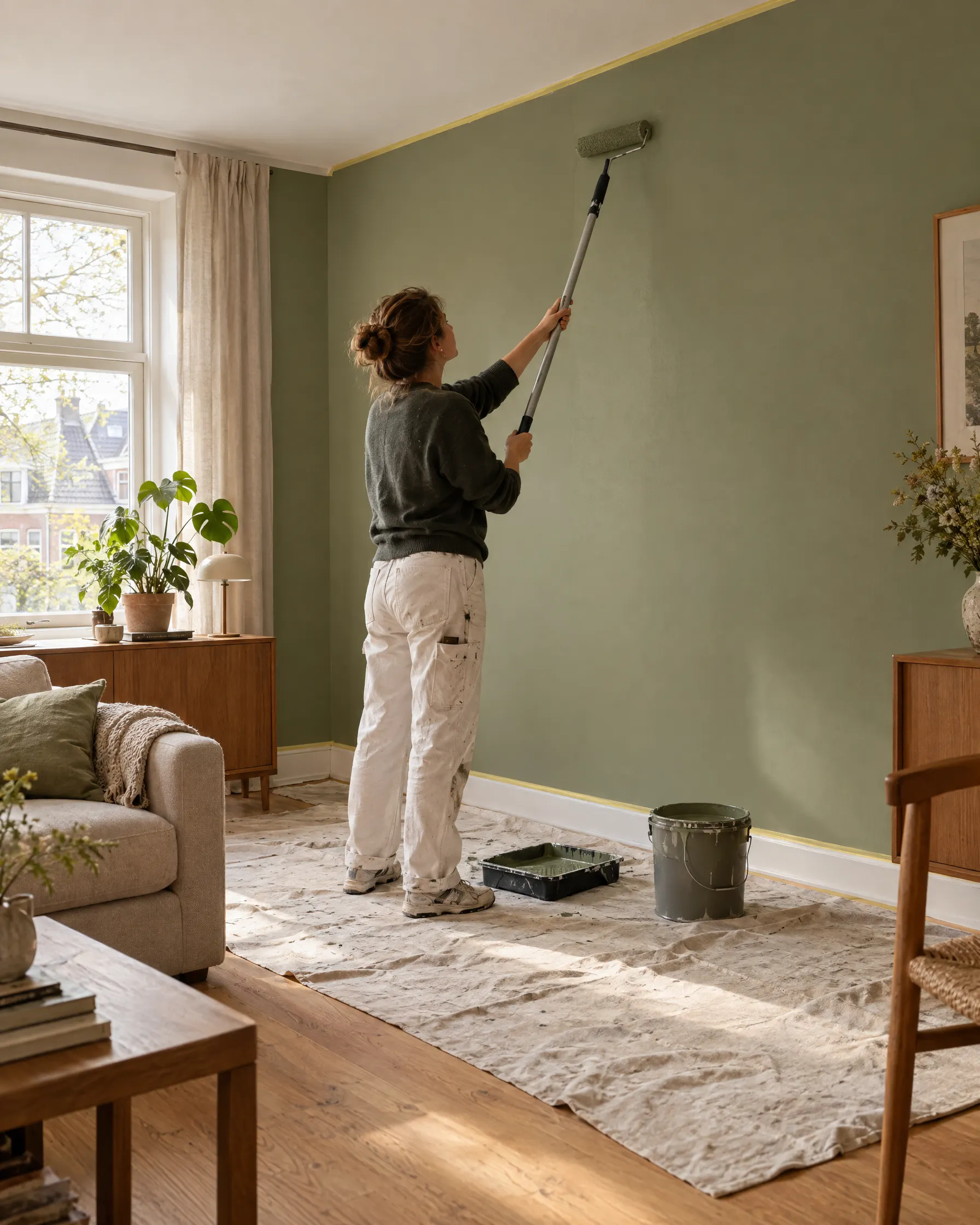
Painter rolling a wall in sage green, neatly taped off along ceiling and skirting board

Rolling or spraying?9% VAT on painting workRenting? Who pays for painting

What does painting walls cost? A worked example

A bedroom of 4 by 3 metres, 2.60 metres high, has about 33 m² of wall after taking off a window and door, plus 12 m² of ceiling. The guide price for painting walls and ceilings is €14 to €19 per m², including 9% VAT, for 2 coats with priming and covering up included. For that bedroom (45 m²) you come to roughly €630 to €855. Ceilings are at the top of the range; the exact price is in the quote.

Painting walls: how it is done

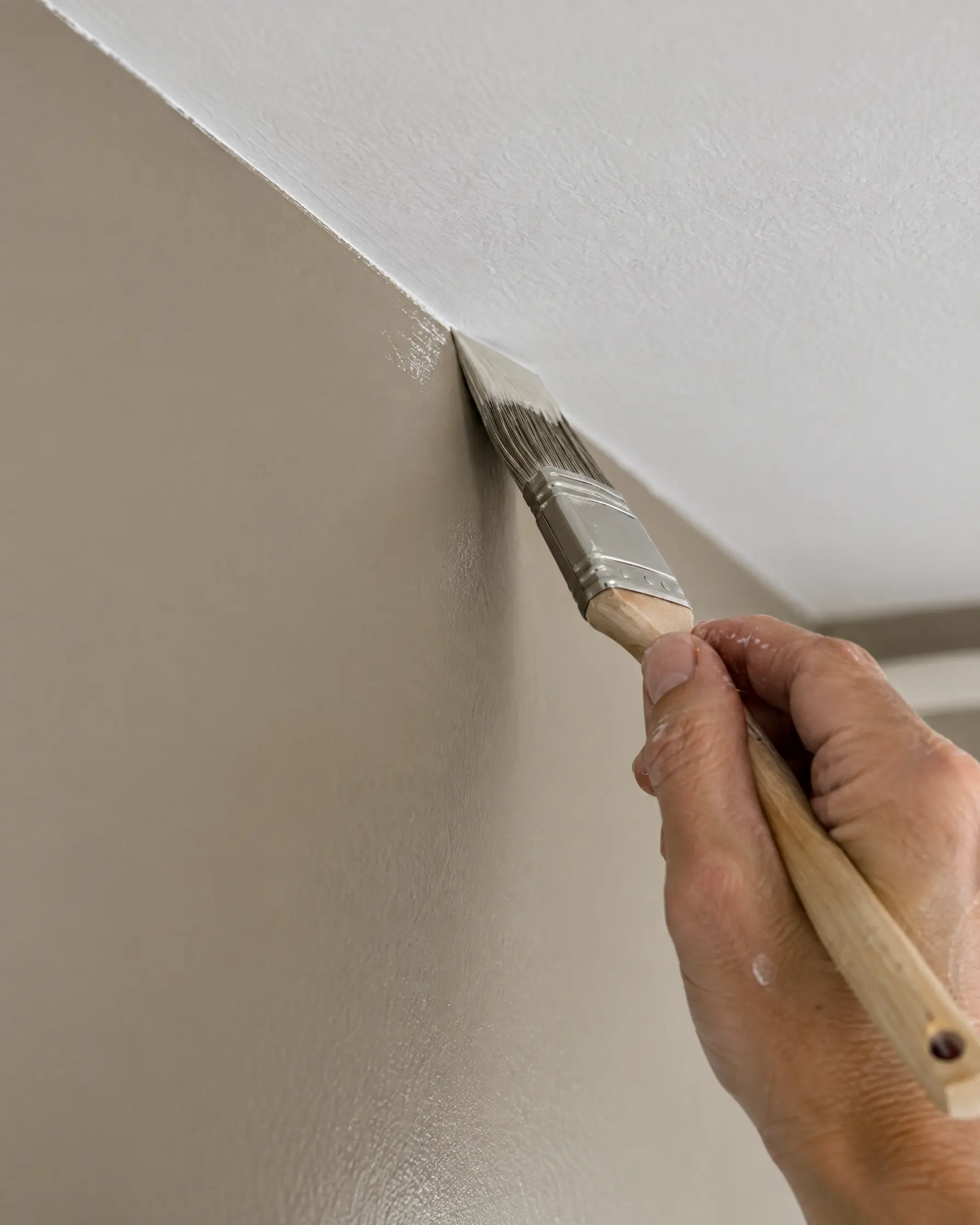
The floor is covered, skirting boards, frames and sockets are taped off and small holes and cracks are filled. New plaster gets a primer coat first. Then come two coats of wall paint or latex, with a crisp line along the ceiling.

Interior painting: frames, doors and stairs

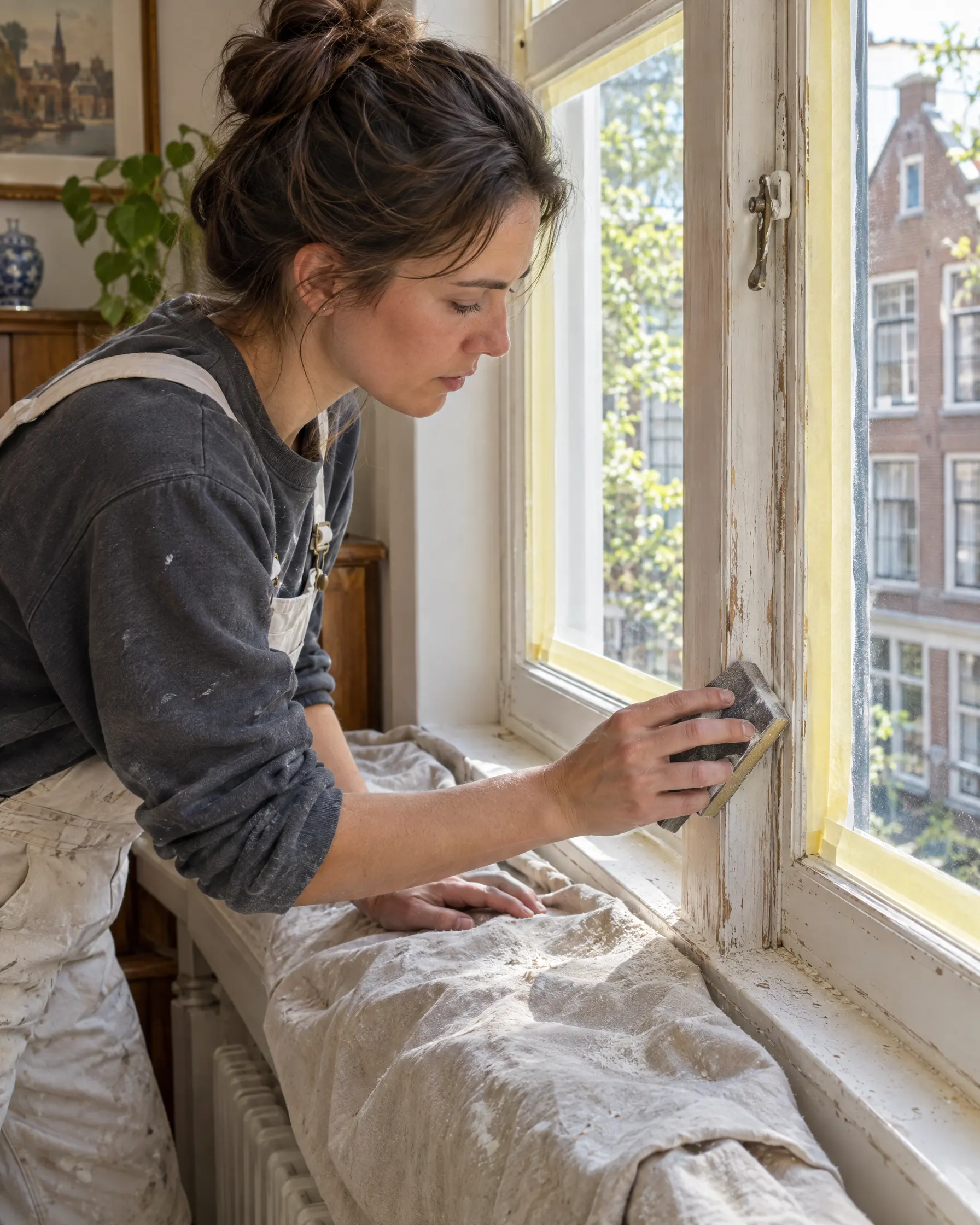
Interior woodwork is sanded and degreased first, then gets an undercoat where needed and a top coat. Where old layers are flaking, they are sanded or scraped back to a sound surface first. That way the paint stays good and doesn't run in the corners.

Between two coats the wood is lightly sanded. That removes dust specks and small irregularities and gives the next coat grip. It is a step you don't see at the end, but you feel it when you run your hand over a door.
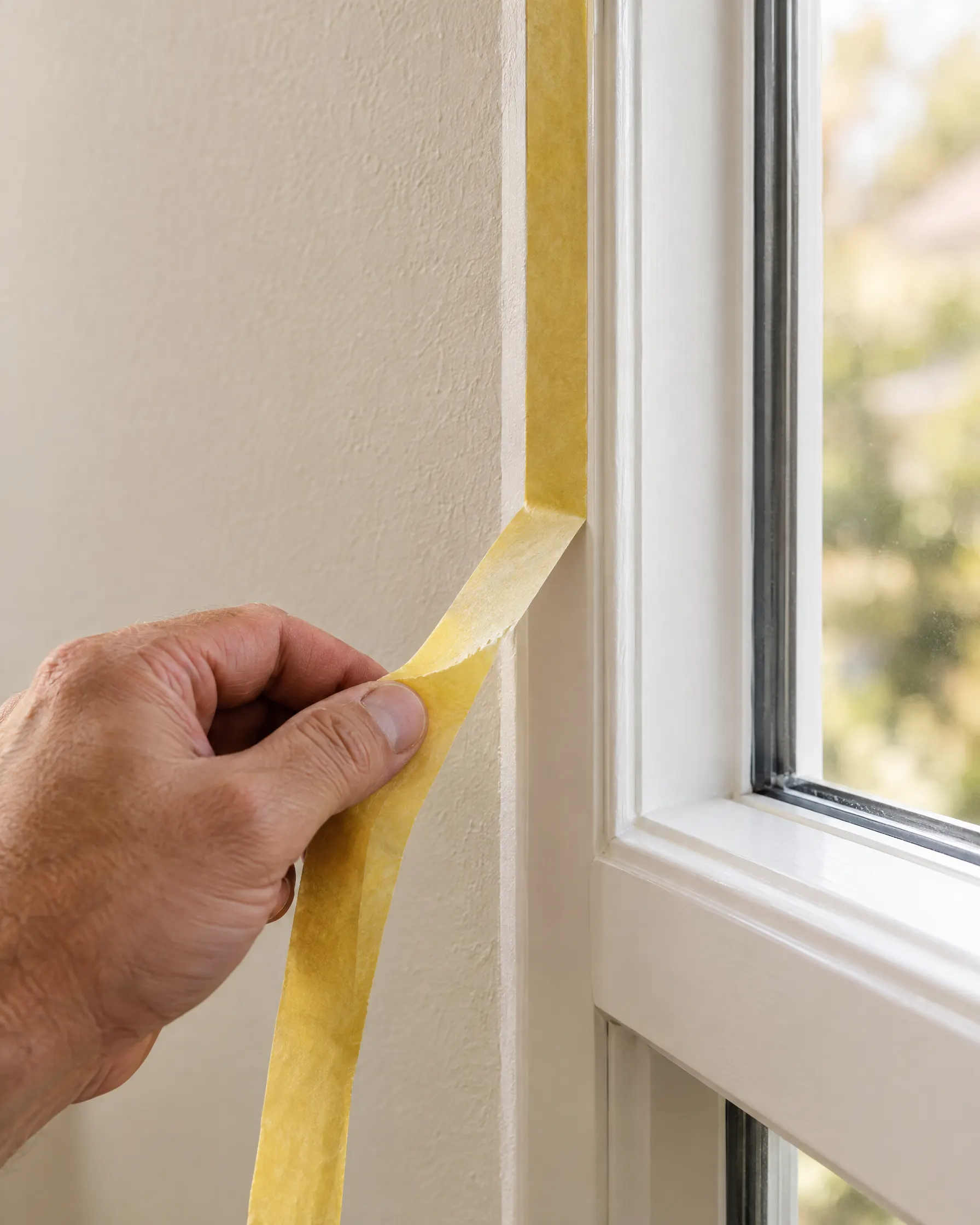
Hand pulling masking tape off a frame, leaving a dead straight paint line
  • Walls and ceilings painted, colours too
  • Frames, doors and stairs varnished
  • Radiators and pipework
  • A whole home ready for sale or letting

Exterior painting: how often is it needed?

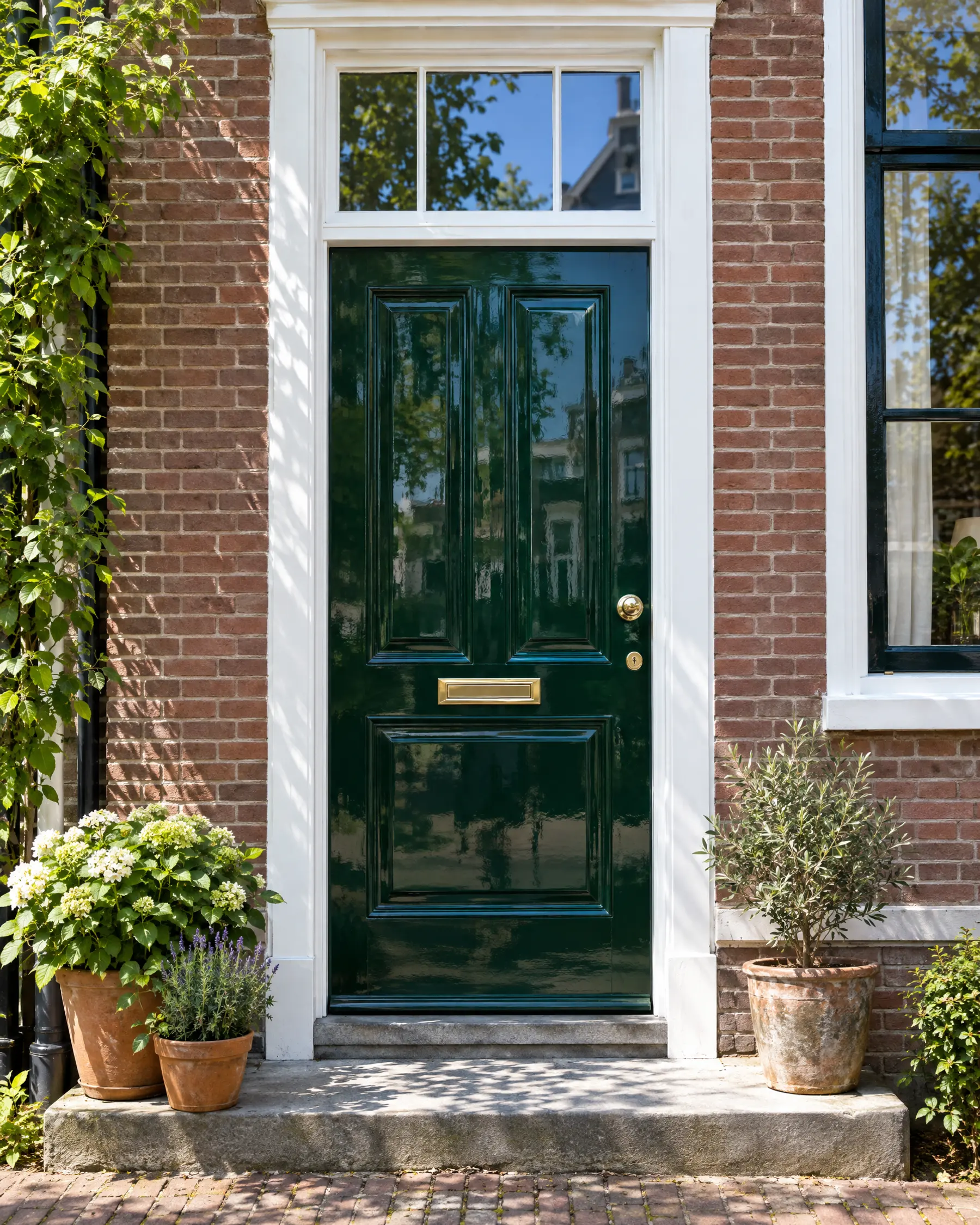
Exterior frames, gutters, fascia boards and front doors need maintenance every few years to prevent wood rot. How often depends on the type of paint, exposure to sun and rain, and the condition of the wood. During a survey the painter looks for small cracks, loose paint and soft spots, and can tell you when it is needed. Exterior work is best scheduled in the dry season.

How painting works

  1. 01

    Preparation

    Degreasing, sanding and filling small holes. Loose paint comes off until there is a sound surface.

  2. 02

    Taping off and covering

    Floor covered, skirting boards, glass and sockets taped off, furniture in the middle under sheeting.

  3. 03

    Priming

    Bare wood gets a primer, new plaster a primer coat. That way the finish bonds and the colour comes out even.

  4. 04

    Finishing in 2 coats

    Two coats of wall paint on walls and ceilings, or a top coat on woodwork, with light sanding in between where needed.

  5. 05

    Inspection

    Every surface is checked in the light: coverage, crisp lines, no drips or brush hairs.

  6. 06

    Cleaning up

    Tape and sheeting out, floor clean, waste taken away. It is only done when it is tidy.

Good to know

Water-based paint indoors
For interior woodwork, painters increasingly use water-based paint. It smells less, dries faster and yellows less than solvent-based paint.
Why sand between coats
Light sanding between two coats removes dust specks and gives the next coat grip. You feel the difference when you run your hand over a door or frame.
Two coats for coverage
One coat of wall paint often leaves cloudy patches or lets the old colour show through, especially with a colour change. That is why the guide price for wall painting always assumes two coats.
Exterior work on time
Exterior paintwork protects the wood against moisture. Wait until the paint flakes and the chance of wood rot goes up, and repairs cost more. An honest painter tells you during a survey when it is needed.

What to expect from a good painter

  • The price on paper up front, with priming and covering up included
  • Two coats of wall paint, not one
  • Sanding and filling first, no paint over old damage
  • Crisp lines along ceiling, skirting boards and frames
  • No paint splashes on glass, floor or skirting boards
  • A schedule with the drying time built in

How much does painting walls cost per m²?

WorkGuide priceMarket, for comparisonSource
Rolled emulsion paint (sauswerk)€14 to €19per m², including 9% VAT2 coats, priming and covering included; ceilings at the top of the range€11 to €25per m²Stukadoorsbedrijf Hoog (01-10-2026)Super Stuc (01-10-2026)Deni Stukadoor (01-10-2026)De Schilderscombinatie (01-10-2026)
Spetterloos guide price including 9% VAT (homes older than 2 years), with priming, covering and cleaning up included; spray painting and rolled paint in 2 coats. Minimum €300 per job under 30 m². Where you land within the range depends on the surface and the amount, and is set in the quote. Market prices as published by the sources listed, checked on 30 September 2026.

All prices per m², with sources and VAT

Frequently asked questions about painting and decorating

How much does painting walls cost per m²?

Expect painting walls and ceilings to cost €14 to €19 per m², including 9% VAT, for 2 coats with priming and covering up included. Ceilings are at the top of the range. Below 30 m² a minimum of €300 per job applies. For comparison: painters and plasterers list €10 to €18.50 per m² excluding VAT on their own websites, often without saying whether priming is included.

Rolling or spray painting, which is cheaper?

For one room, rolling is usually cheaper, because taping off for spraying takes relatively a lot of time. For a whole home, spraying becomes worthwhile.

Which VAT rate applies to painting?

For painting work on homes older than 2 years, 9% VAT (btw) applies, including on the paint, other materials and the preparation. For new builds and commercial buildings it is 21%.

Can plastering and painting be done in one job?

Yes. Then everything is one job: first the plastering, then drying, then latex or rolled paint. So there is no gap between two companies.

Tell us in a minute what needs doing. You see an estimate straight away, and the quote comes on paper up front, with covering and cleaning up included.