

Skip to content

Based near Amsterdam

Spetterloosplasterers & painters

Microcement (beton ciré) and decorative plaster, explained before you choose

Beton ciré and decorative plaster give a wall a jointless, mineral look that paint can't give you. The guide price for beton ciré on a wall is €140 to €190 per m², including 9% VAT; shower walls are at the top of the range. On a floor 21% VAT may apply, because laying floors is not covered by the low rate. It can often go straight over your existing tiles. Think of a concrete look in the bathroom, a cloudy lime plaster in the living room or textured render (spachtelputz) in the hallway. It is handwork in several layers: every wall turns out slightly different, and that is exactly the point. You can write to us in English.

  • Price on paper up front
  • Covering and cleaning up included
  • A reply within 24 hours

Updated on · Edited by: Samir El Ouariachi, painter and plasterer

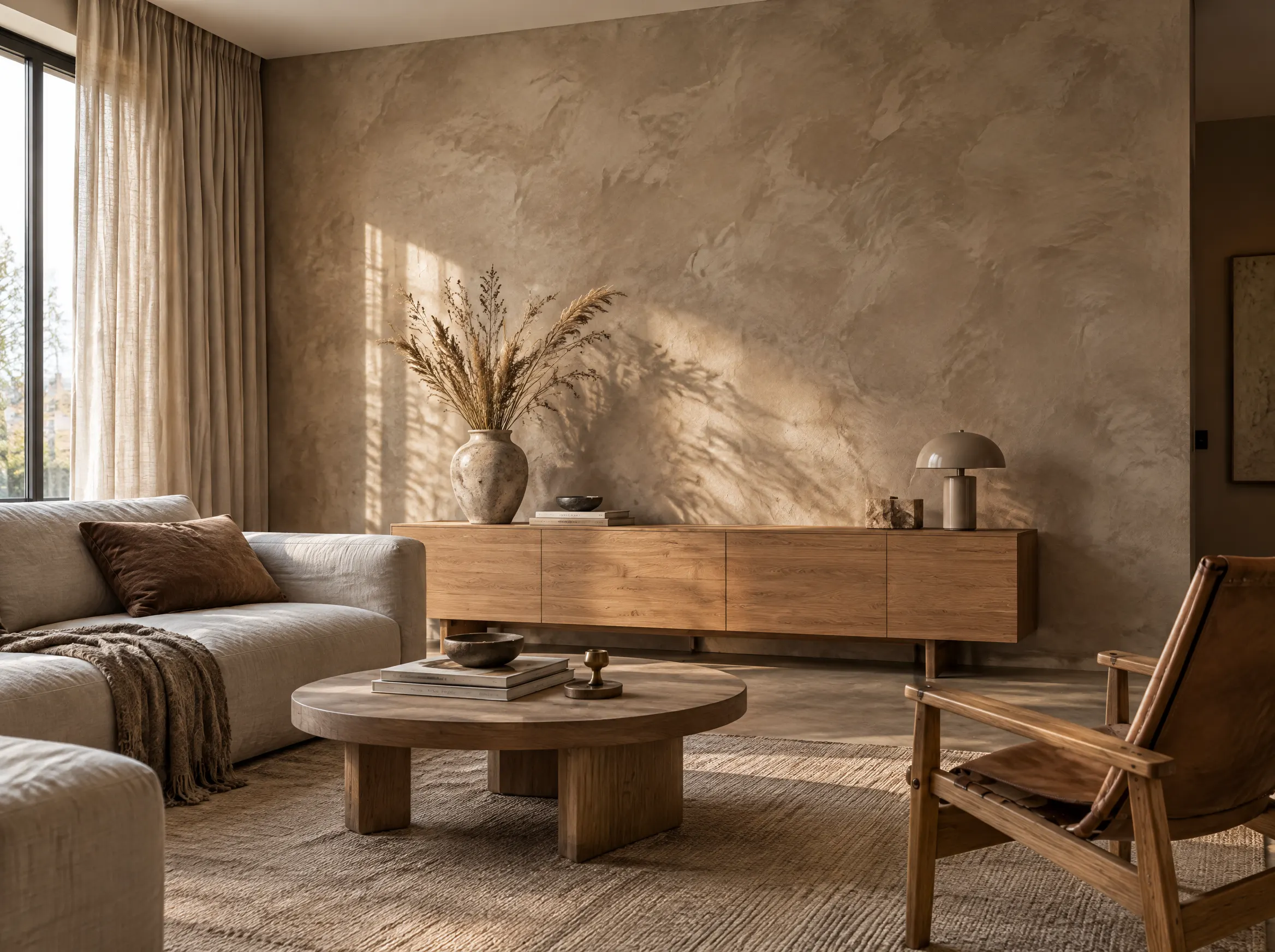
Living room with a wall of warm, cloudy lime plaster in sand and clay tones, an oak sideboard in front

What is beton ciré?

Beton ciré is a thin, mineral top layer with a concrete look, applied in several layers with a trowel and finished with a sealer. Microcement is a similar product and the two names are often used interchangeably. The result is jointless: no grout lines like with tiles.

How beton ciré is built up

Beton ciré is only as good as the surface underneath. First the wall or floor has to be flat, dry and sound; cracks and joints are treated first, or they will show through the thin top layer later. Then comes a bonding coat, and in places under stress often a reinforcing mesh.

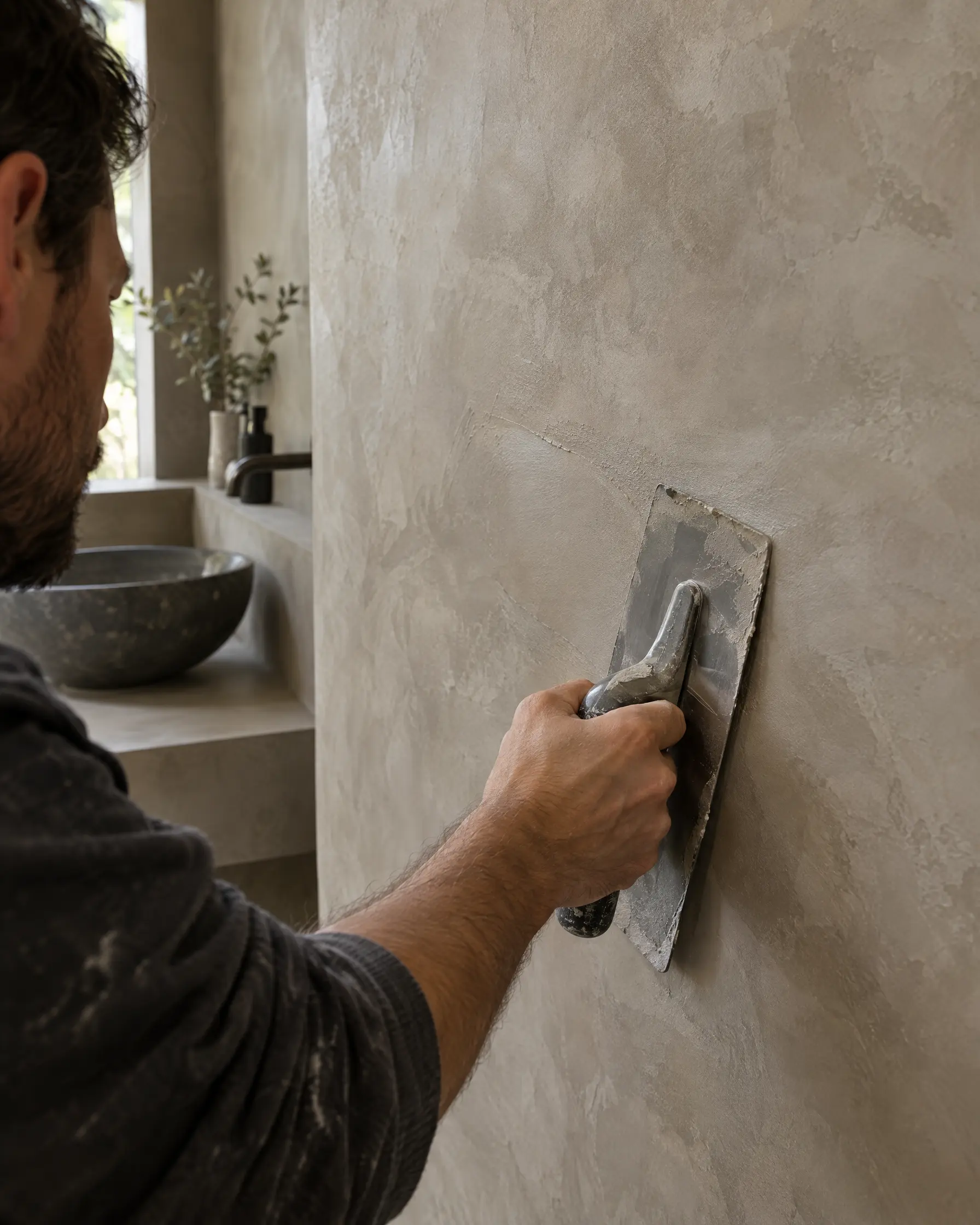
Then follow several thin layers, each applied with the trowel and lightly sanded once dry. How you hold the trowel determines the cloudy pattern. Finally a sealer goes on to protect the surface against stains and water. Throughout, each layer has to be dry before the next can go on, so beton ciré is not a one-day job.
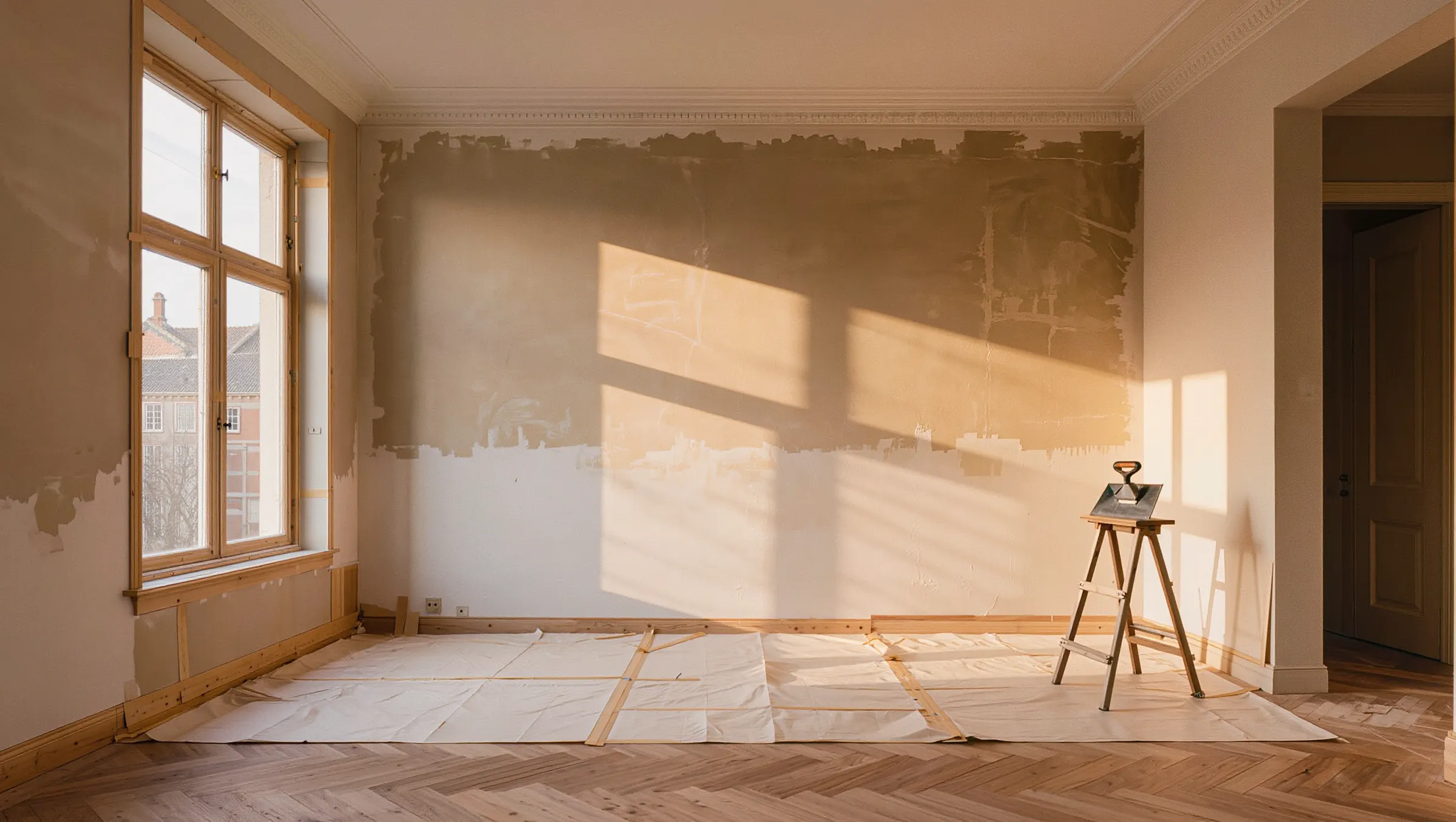
Wall being prepared: the surface is first made flat and load-bearing

A sample patch first

You only really see the colour and pattern of beton ciré and lime plaster on the wall, in the light of your own room. A colour swatch on paper or a photo on a screen doesn't show it properly. That is why, for a large wall or a bathroom, it is wise to have a sample patch made first, so you know what you are getting before the whole room is done.

Beton ciré in the bathroom

In wet rooms the build-up is what counts: a waterproof base, the right layers and a good sealer. That is why the price in a bathroom is higher than on a living room wall. Discuss beforehand what is needed and what maintenance the finish requires.
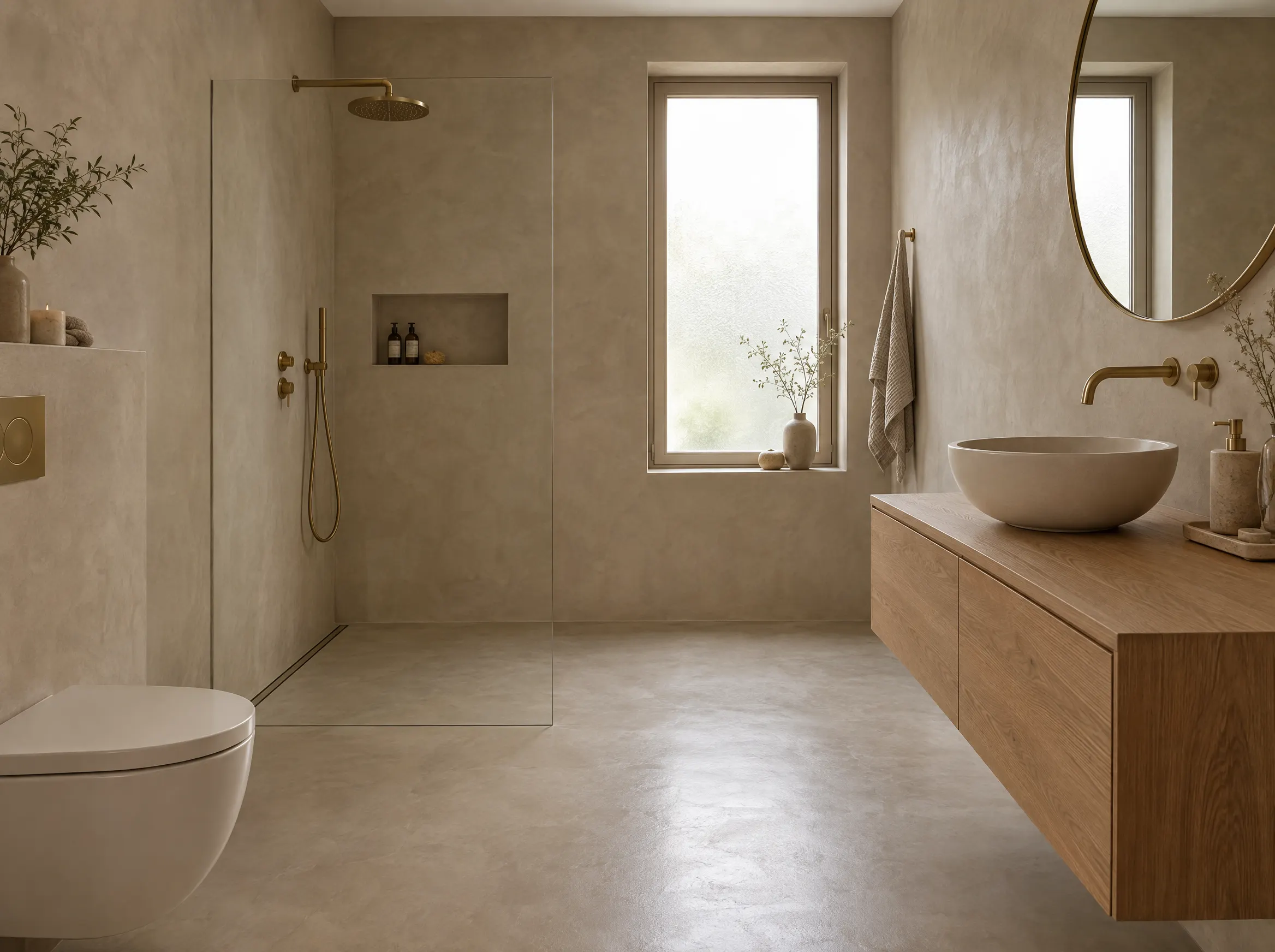
Bathroom with jointless walls and floor in warm greige beton ciré, walk-in shower and oak vanity

Beton ciré over tiles

You often don't need to rip out your old tiles. Beton ciré can go over tiles as long as they're firmly attached and the surface is flat and sound. The grout lines are filled first and a bonding coat goes on, then the usual build-up of layers and sealer follows.

If some tiles are loose or hollow, they have to come off first. You can hear it when you tap them: a hollow tile sounds different. This should be checked before you get a price, so there are no surprises later.

Beton ciré or tiles?

Beton ciré gives a jointless wall with no grout lines to trap dirt, but it needs a proper waterproof build-up and a fresh coat of sealer now and then. Tiles need less maintenance and are more forgiving of knocks. Which is better depends on how you use the bathroom and what your surface can take.

Maintaining beton ciré

Clean it with a mild cleaner without abrasives or descaler. The sealer protects the layer and needs topping up now and then, especially in the shower. Which product and how often depends on the system used; you will hear that at handover.

Types of decorative plaster: textured render, lime plaster and marmorino

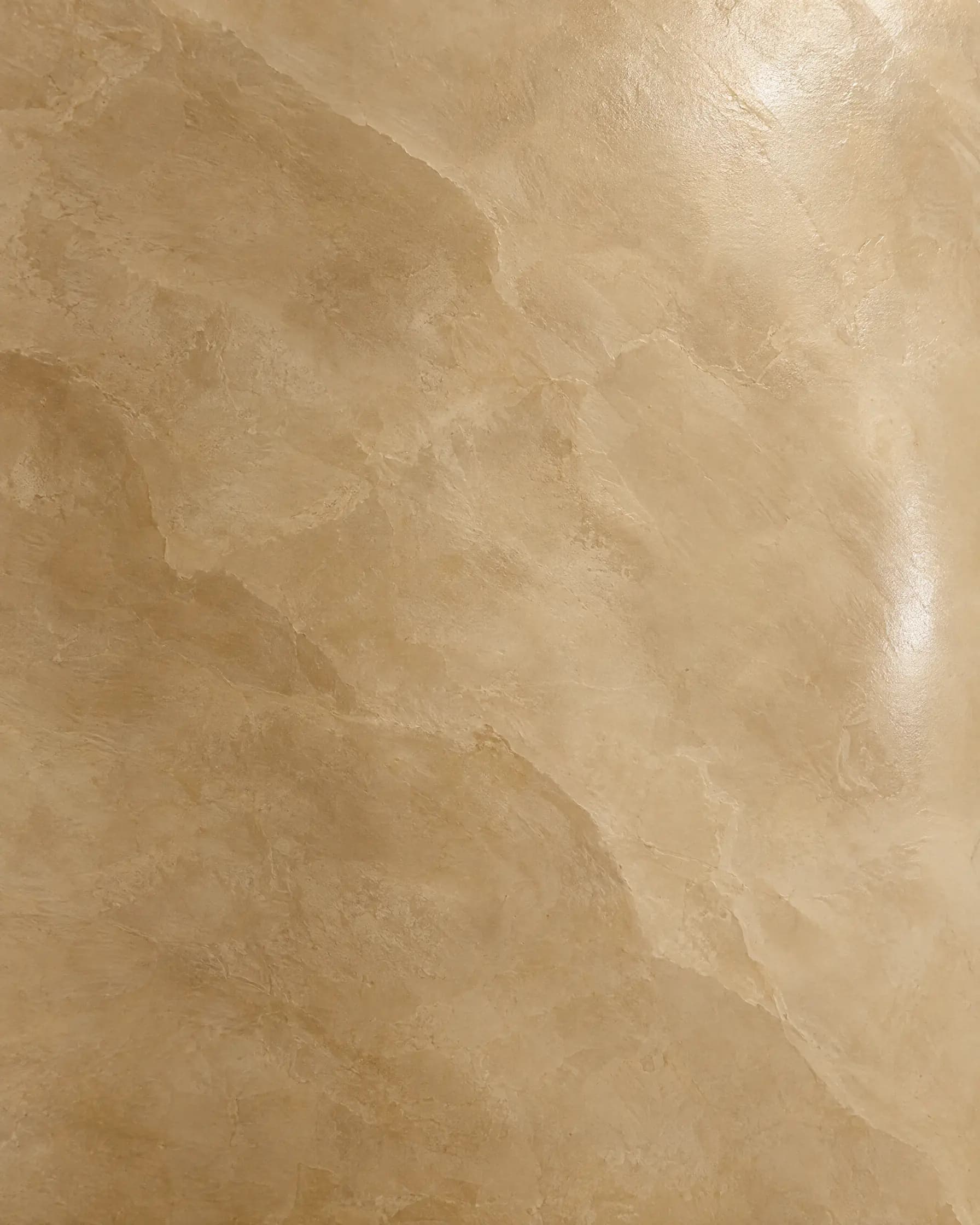
Textured render (spachtelputz) has a clear grain and is common on ceilings and in hallways. Lime plaster and marmorino are softer, matt and cloudy in appearance, and breathable. Grain and colour are best agreed beforehand using examples.

  • Beton ciré and microcement: walls, floors, bathrooms
  • Lime plaster and marmorino: calm, cloudy walls
  • Textured render and decorative plaster: texture with grain

Having textured render or spack made smooth

How beton ciré and decorative plaster works

  1. 01

    Choosing and sample patch

    Finish, colour and pattern are discussed using examples. For a bathroom or large wall a sample patch comes first.

  2. 02

    Covering up

    Floor, sanitary ware, frames and anything else that stays as it is gets covered and taped off before the work starts.

  3. 03

    Preparing the surface

    Treating cracks and joints, making the surface flat, and in wet rooms applying the waterproof build-up.

  4. 04

    Building up the layers

    Bonding coat, then several thin layers with the trowel. Each layer dries and is lightly sanded before the next goes on.

  5. 05

    Sealing

    A sealer protects the top layer against stains and water. In the shower, that is the layer that makes the difference.

  6. 06

    Handover with explanation

    The room is cleaned up, you walk through it together and you hear how to keep the finish clean and when the sealer needs topping up.

Good to know

Beton ciré or microcement?
Both are thin mineral top layers with a concrete look. The names are used interchangeably; the difference lies in the manufacturer's system. What counts is the build-up and the sealer.
No two walls alike
Because everything is applied by hand, every wall gets its own pattern. If you want a perfectly uniform colour, paint or latex is the better choice.
Waterproofing is in the build-up
The top layer itself isn't what keeps the shower dry. That is done by the waterproof build-up underneath, together with the sealer on top.
Lime plaster breathes
Lime plaster lets moisture through, which makes it pleasant in older houses with breathable walls. In a spot with lots of splash water, a system with sealer is the better choice.

What to expect from a good plasterer

  • An explanation of the layered build-up, not just a price per m²
  • A sample patch for a bathroom or large wall
  • In wet rooms, a waterproof build-up under the top layer
  • A sealer named in the quote
  • Maintenance advice at handover
  • Sanitary ware, floor and frames covered and left clean

How much do beton ciré and decorative plaster cost per m²?

WorkGuide priceMarket, for comparisonSource
Decorative plaster and spachtelputzPrice in quote€16 to €30per m²Stukadoorsclub (2026)Homedeal (13-02-2026)
Beton ciré€140 to €190per m², including 9% VATwalls; shower walls at the top of the range. Floors: often higher, and possibly 21% VAT (laying floors is not covered by 9%)€80 to €220per m²Stukadoorsclub (2026)Flevo Stukadoor (08-10-2026)Kooistra Stuc (08-10-2026)Bruizt (08-10-2026)
Spetterloos guide price including 9% VAT (homes older than 2 years), with priming, covering and cleaning up included; spray painting and rolled paint in 2 coats. Minimum €300 per job under 30 m². Where you land within the range depends on the surface and the amount, and is set in the quote. Market prices as published by the sources listed, checked on 30 September 2026.

All prices per m², with sources and VAT

Frequently asked questions about beton ciré and decorative plaster

How much does beton ciré cost per m²?

For walls, expect €140 to €190 per m², including 9% VAT. Shower walls are at the top of the range, because they need a waterproof build-up. Beton ciré on a floor may be charged at 21% VAT, because laying floors is not covered by the 9% rate; ask which rate the quote uses for the floor. For comparison, other Dutch companies quote €80 to €220 per m², often without saying whether VAT is included. Send the measurements and a few photos for a quote.

Is beton ciré waterproof?

With the right base, build-up and sealer it is suitable for the shower. The sealer needs topping up now and then. Without that build-up, it isn't.

Can beton ciré go over tiles?

Often, yes, as long as the tiles are firmly attached and the surface is flat and sound. The grout lines are filled first and a bonding coat goes on. Loose or hollow tiles have to come off first.

Can textured render be removed, or can it be plastered over?

Both are possible. Plastering over it is often quicker and cheaper if the layer is well bonded. With loose or thick layers, removing it is better. That is assessed on site.

Tell us in a minute what needs doing. You see an estimate straight away, and the quote comes on paper up front, with covering and cleaning up included.